
Finding Kannapolis Residents Carefully
A Kannapolis resident search works best when the first source matches the question. Use an exact address to locate a Cabarrus parcel, then keep the PIN, legal description, and deed or plat pointer together. Use a full name with an approximate year for the statewide voter lookup, court portal, or historical directory. None of those systems is a complete list of everyone at an address. A tax mailing address may differ from the property address, a voter record may be stale or restricted, and an old directory proves only what its printed edition reported.
Check the county before treating a result as local. Kannapolis spans Cabarrus and Rowan, and historical entries can use China Grove, Landis, a rural route, or another postal place. Parcel geometry and the county tax result decide the custodian. For a current Cabarrus property trail, the Real Estate Search and Map Cabarrus are the first official pair.
- Write down the address exactly, including direction, unit, street type, postal city, and any older wording.
- Use the county property search and GIS viewer to resolve the parcel, PIN, county, and deed or plat references.
- Use the official Register of Deeds route for the recorded instrument, not a tax-card summary, when ownership needs confirmation.
- Search the voter form or court portal only for its limited public purpose, then compare county, date, and other identifiers.
- For an earlier household, use a dated directory, newspaper, library collection, or Archives series and retain the source year.
Note: A postal city or a single name hit does not establish the county, owner, or present occupant.
Kannapolis Resident Records Offices
No single Kannapolis office maintains a resident roll. The City Clerk is the custodian for municipal material, while the county tax, deed, court, and elections systems each keep a narrower record. Cabarrus is the usual starting point for city parcels, but a Rowan-side result belongs with Rowan’s offices. The cards below identify the practical Cabarrus route and the municipal public-record contact. Use the Kannapolis street directory for the full address-to-parcel workflow.
Cabarrus Tax Administration
Property and tax records
Concord, North Carolina
704-920-2126
Kannapolis County-Line Checks
Kannapolis crosses Cabarrus and Rowan counties. That fact changes the first click in a residents directory search. The city label, ZIP, and even a familiar street name do not prove which county holds a parcel, court file, or recorded instrument. Start with the civic address, preserve any historical locality label, and resolve the parcel geometry before using a Cabarrus record. A Rowan-side parcel needs Rowan tax, GIS, and Register of Deeds follow-up.
This is also a common historical-record trap. Before Kannapolis incorporated in 1984, a source may name Cannon Mills, China Grove, Landis, Concord, or a rural route. Store current municipality, postal city, source-era place name, and county as separate facts. That prevents a false no-result when an older directory or deed uses words that do not match a modern mailing label.
Kannapolis Parcel Search Fields
The Cabarrus Real Estate Search accepts owner last and first name, account number, parcel parts, tax year, TMP parts, and property-address components. Address fields include house number, unit, direction, street name, type, suffix, and municipality. The advanced options include legal land size, legal land type, zoning type, and image. At least one value is required. Preserve the label used in the result because a parcel, TMP, account number, PIN, and real ID do not mean the same thing.
| Address components | House, unit, direction, street name, type, suffix, and municipality. |
|---|---|
| Parcel keys | Account number, parcel parts, TMP, PIN, old PIN, and real ID may connect different county screens. |
| Deed clues | Deed book/page, plat book/page, instrument type, legal description, and sale fields point toward primary records. |
| Time marker | Tax year fixes the snapshot. A current value or mailing address is not a history of ownership or occupancy. |
The Cabarrus Real Estate Search shows the form used for this property step.
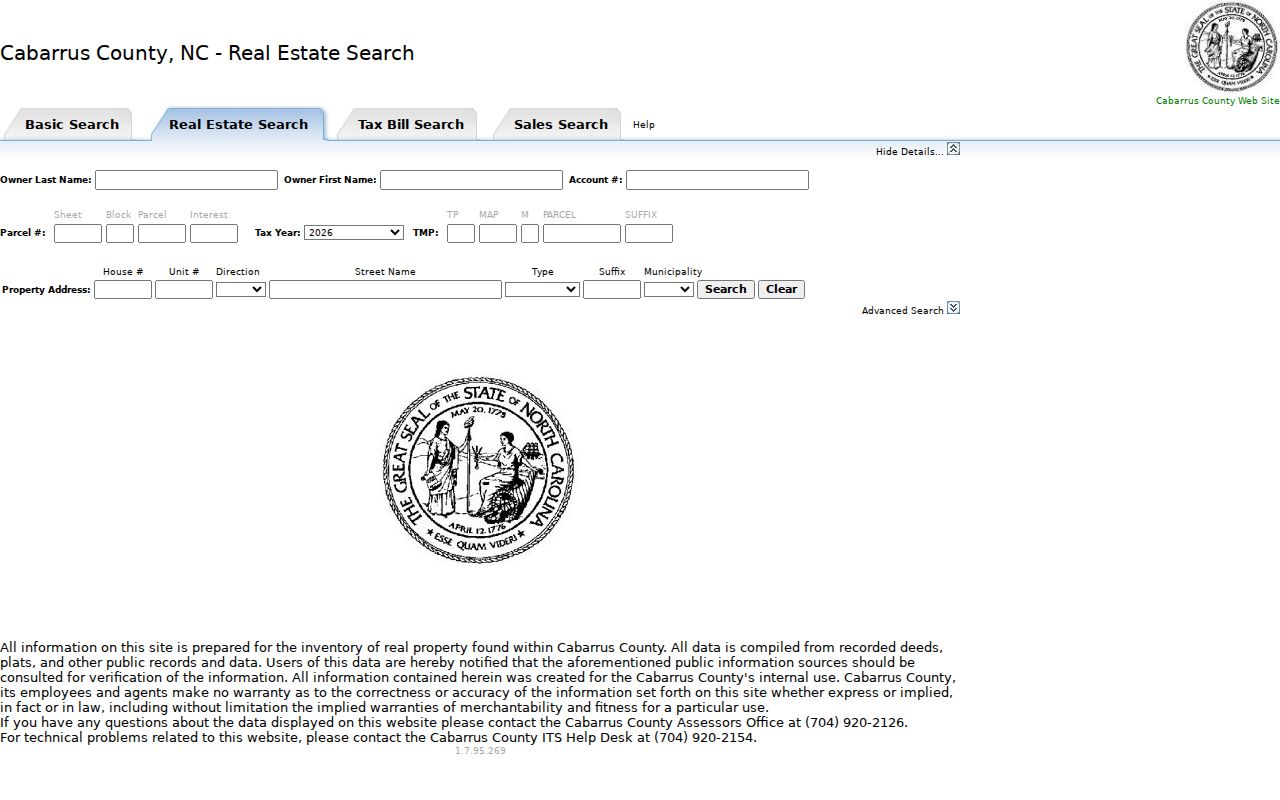
A tax account is an effective bridge from a Kannapolis address to a parcel, but the county directs users to deeds and plats for primary-record confirmation.
Kannapolis Map Myth
A map pin does not prove title, occupancy, or a legal boundary. Map Cabarrus can search by address, owner, or parcel/PIN and then display parcel detail, zoning, flood, school-district, and historic-aerial layers. Its historic aerial coverage reaches back to 1938. Those layers are valuable for deciding which record to request and for recognizing a parcel split, but Map Cabarrus warns that it is not a legal document.
- Parcel
- A county-defined piece of land used in the tax and GIS systems; it may change through a split or recombination.
- Situs address
- The physical property address. It is different from a tax mailing address.
- Index
- A finding tool that points to a record. An index entry is not always the record image or a certified copy.
- Criss-cross directory
- A directory arranged by street and number rather than by surname, useful for a dated address clue.
Use parcel geometry with the current tax result, then inspect the deed or plat reference. That sequence is safer than drawing a conclusion from a screen capture alone.
Current Kannapolis Resident Directories
Current Kannapolis resident directories are separate official records with different fields and different meanings. The property roll is strongest for parcel and account clues. The voter lookup is a civic record with protected fields and cannot prove ownership or present occupancy. A recorded deed identifies parties to an instrument, not a household roster. City staff information is useful only for municipal-role verification. Keep the source date with each result, especially when a name or address appears in more than one system.
| Source | Who It Lists | Keeper | Access |
|---|---|---|---|
| Real Estate Search | Parcel and account-associated owners | Cabarrus Tax Administration | Free online search |
| NC Voter Search | Public registration information | State Board of Elections | Free lookup, statutory limits |
| Recorded instrument index | Grantors, grantees, and document parties | Register of Deeds | Official county route |
| City staff directory | Current municipal staff roles | City of Kannapolis | Free online directory |
| Historical directories | Dated household and street entries | Libraries and digital collections | Scan or in-person research |
Use the source that actually answers the question. Parcel and deed facts belong with the county; a court or voter result needs its own access rules; a printed address needs its edition year. For a name-first verification process, see the Kannapolis resident lookup route.
Kannapolis Voter Record Limits
The NC State Board of Elections Voter Search is a person-oriented civic lookup, not a general household directory. Its form uses first name, last name, voter status, and optional middle initial, birth year, and county. Results can show registration status, jurisdictions, precinct, polling place, sample ballot when available, absentee information, and voter history. A no-result can reflect spelling, a status filter, recent maintenance, a move, or county confusion.
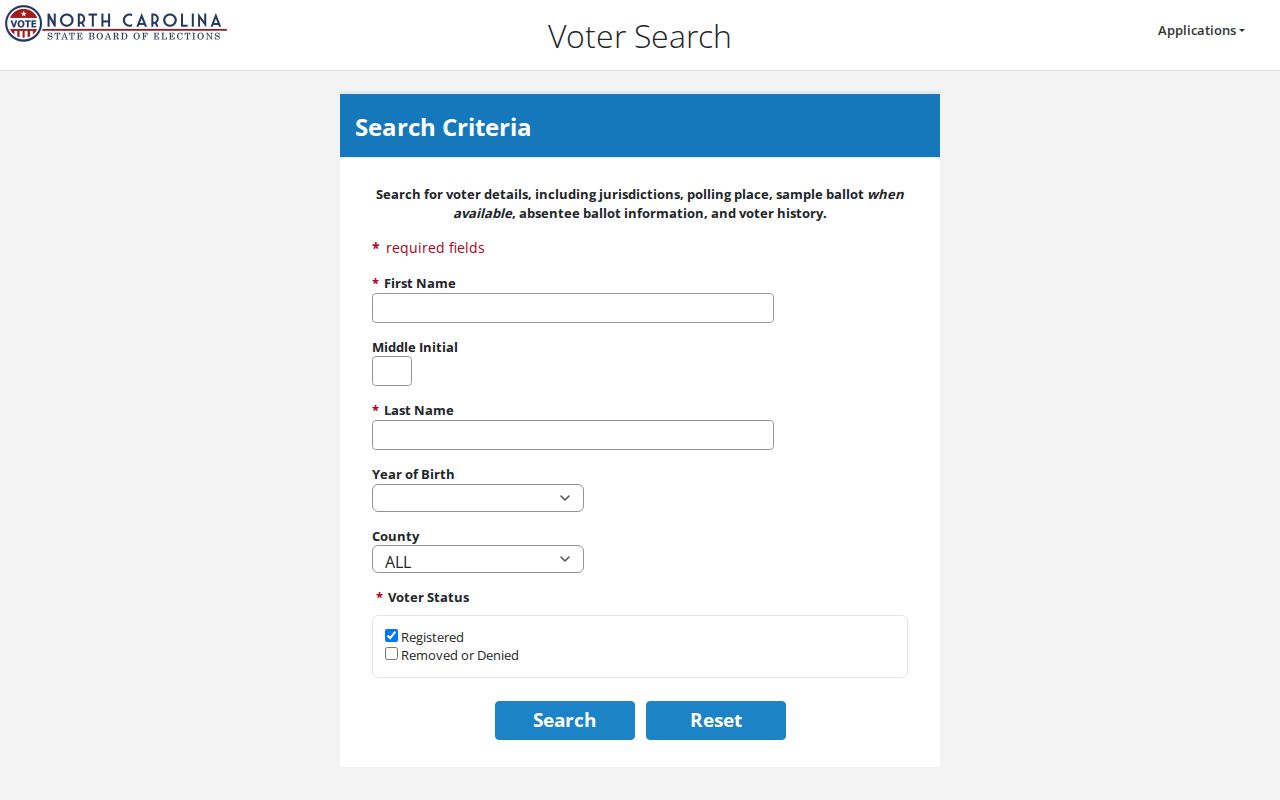
North Carolina law distinguishes public voter information from protected information. Do not publish Social Security numbers, dates of birth, email, license numbers, voter-photo-ID documents, or signatures. Voter history is participation data, not proof that a person owns a property or is presently at an address.
Kannapolis Public Records Requests
North Carolina’s Public Records Act is Chapter 132. It supports inspection and copying of existing public records, including existing electronic records, subject to confidentiality rules and reasonable actual costs or special-service charges. It does not require a custodian to create a fresh resident list, compile a new data product, or digitize a paper-only record. Ask the office for the existing record type, narrow date range, address, parcel number, or other direct identifier.
The official public-records access statute is the right place to begin when a record is not available online.
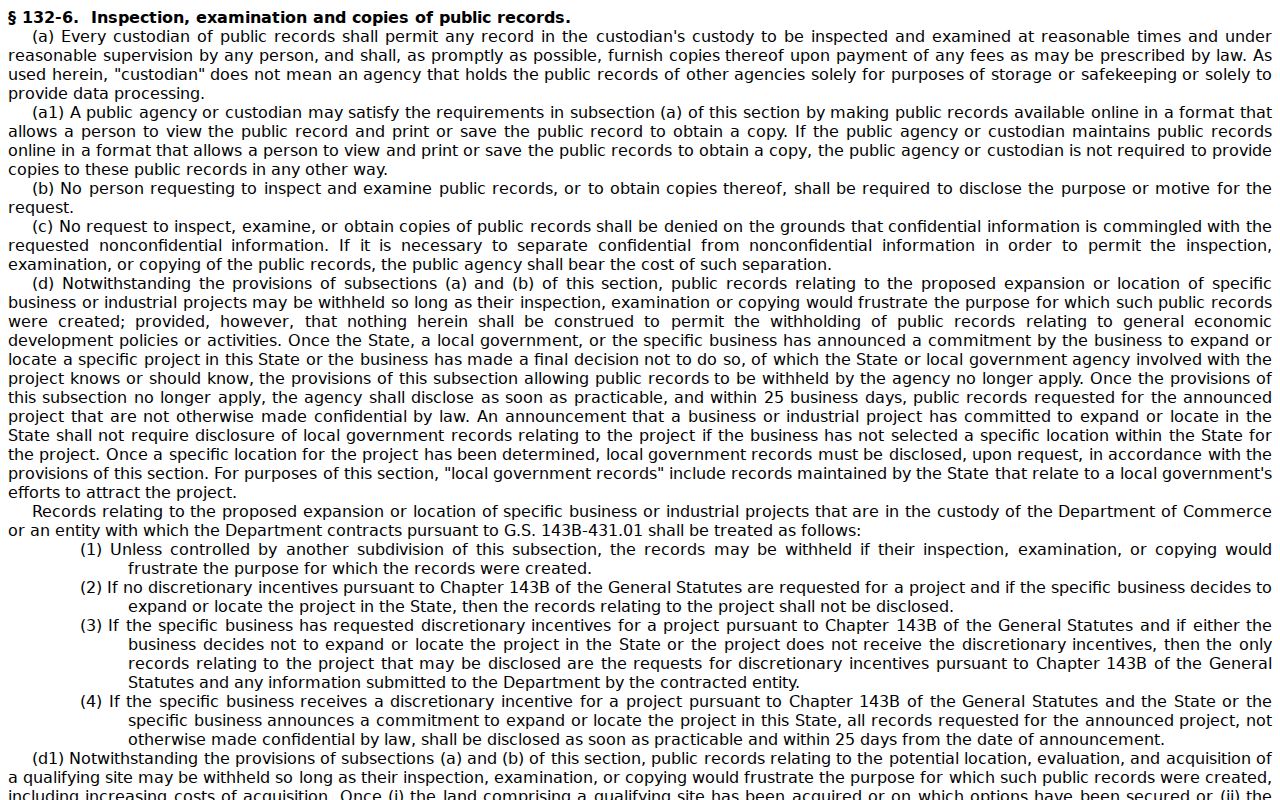
For city-held records, the City Clerk is the municipal custodian. Pam Scaggs is identified by the city as the clerk and public-record contact at 401 Laureate Way, with 704-920-4303 and pscaggs@kannapolisnc.gov. County land, court, voter, and vital records belong with their respective custodians.
Kannapolis Current Custody Search
The Cabarrus P2C roster is a current detention tool. It searches last and first name and displays roster fields such as name, race, sex, age, primary charge, arrest date, and booking agency. The roster is not a disposition record, and charges can change. Use the clerk for the case outcome and do not treat a current roster absence as a finding about state custody or an older matter.
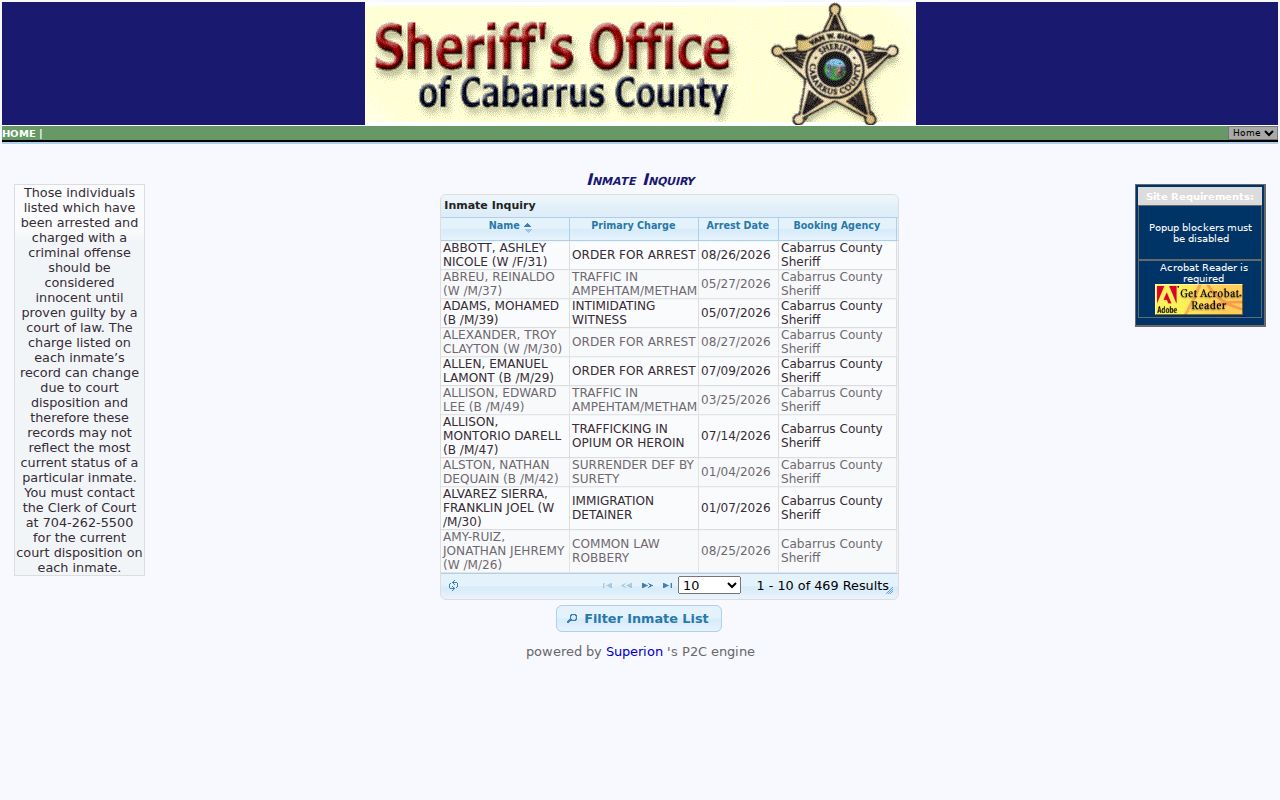
The state Department of Adult Correction search has a different scope, covering prison, probation, parole, and historical information back to 1972 while excluding county jail. Keep those systems separate and report only the source-specific result.
Kannapolis Court Record Route
For a court question, Cabarrus public searching now begins with the NC eCourts Portal, which came online in Cabarrus in October 2024. Smart Search supports party and case queries, with filters for location, party name, date of birth, case type or status, and filing date. Public portal results can show case information, parties, events, hearings, dispositions, and financial information, but only for nonconfidential material. A portal hit is an official portal summary, not a certified record.
The Cabarrus Clerk of Superior Court remains the certified-record authority and maintains public terminals at the courthouse, 77 Union St S in Concord. The court’s 2025 kiosk deployment added scanners, printers, and payment services for in-person work. Keep the county, case number, party role, filing date, and disposition separate from any address clue. Court material should never be combined into a broader personal profile merely because a name appears in another Kannapolis record.
Kannapolis Assumed-Name Trail
Names on an older property, directory, or recorded instrument may also appear in a business context. The North Carolina assumed-business-name route covers statewide filings from December 1, 2017 forward. Earlier assumed-name research may require the county Register of Deeds. A filing can connect a name to a stated business record, but it does not establish a home address or a personal relationship.
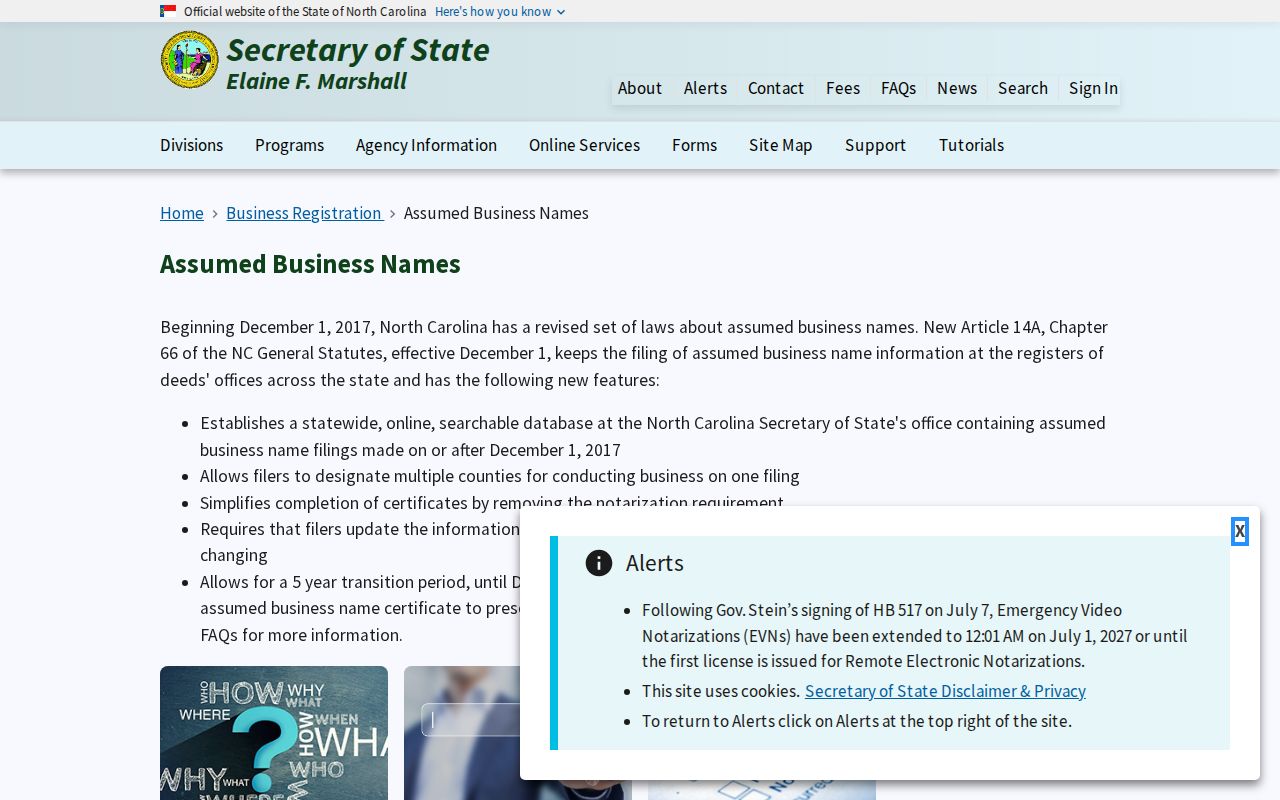
Search a stated name exactly, retain the filing date and county, and return to the original instrument when a record matters. This is a narrow context check, not a substitute for a deed, voter, or historical-directory source.
Historical Kannapolis Resident Directories
Historical Kannapolis resident directories are dated evidence, not a present-day roll. DigitalNC has metadata and scans for a 1940 Greater Kannapolis directory, while the research set also located city-directory metadata for 1950, 1951, 1953, 1956, 1961, 1963, 1964, and 1965. Telephone volumes were located for several years from the 1950s and 1960s. Street guides can help connect an address to the household listed in that edition, but a directory does not prove title or establish that a person remained there afterward.
The Hinson Room and other Cabarrus local-history holdings add yearbooks, newspapers, microfilm, scrapbooks, photographs, and vertical files. Preserve the printed heading, year, page, and scan URL. The Kannapolis city directory collections page keeps the full historical-shelf method separate from a current search.
Kannapolis Record Safety
Public access has boundaries. A result may be dated, partial, or attached to a similarly named person. Compare at least two independent identifiers, such as an exact address and parcel/PIN, or a case number with county and date. Keep the source title, URL, search date, returned fields, coverage period, and any warning with the result. A commercial compiled report can provide a lead, but its merged records and stale addresses should not replace an official source.
| Source choice | Useful for | Limit to retain |
|---|---|---|
| Official county or state record | A specific parcel, civic, court, or filing question | Coverage, access restriction, and source date still matter. |
| Historical scan or library item | A dated name, address, or neighborhood clue | It proves the item’s edition or source year, not the present. |
| Commercial compiled result | A possible lead to verify elsewhere | May combine wrong people, stale addresses, and records with different dates. |
Protected voter, vital, court, and address-confidentiality information stays protected even when related records are public. For a source error, ask the agency that created the record for a correction; for a qualifying sensitive item in a recorded document, use the Register of Deeds’ public-redaction route. Keep a request narrow and avoid sending unnecessary identification data.
Kannapolis Evidence Notes
Reliable Kannapolis research leaves an audit trail. Record the research date, custodian, page title, URL, exact search inputs, result identifier, displayed fields, coverage date, access restriction, and a short interpretation. A parcel result should retain the PIN, old PIN when present, legal description, deed and plat pointers, selected tax year, and map link. A court result needs the case number, county, party role, event date, and whether the result came from the public portal or clerk. A historical scan needs the printed title, edition year, page heading, and direct scan location.
Use a confidence label that matches the source. A recorded image can be labeled primary-record image. A tax or parcel screen is official GIS/tax. A court or voter result can be an official portal summary, and an old directory scan is a historical scan. A library finding aid identifies a series or item to request, not necessarily the person or property claimed in the description. This discipline makes it easier to correct a mistaken link and keeps a Kannapolis residents directory search from turning several thin leads into one unsupported statement.
Keep uncertainty visible. The county says its Register of Deeds indexes and images run from 1792 to the present, but the live Logan vendor interface was unavailable during the research inspection. That does not prove a missing deed or a missing person. Use the county’s official online-records route, call or visit the Register of Deeds if needed, and describe the unverified remote-search gap rather than inventing search fields, image access, or a no-record conclusion.
When an official portal fails, move through the documented alternatives in order: the custodian’s office, its phone or email contact, a narrow Chapter 132 request for an existing record, the library or Archives for older material, and a corrected query using historic names or county boundaries. That route preserves both access and accuracy.
A certified copy and a portal result serve different purposes. Request certification only from the office that holds the record, and preserve the document number or case number so another researcher can locate the same item.